


Future Homes Standard Implementation: Timelines, Transitional Traps, and the Turnkey Solutions Already in the Ground
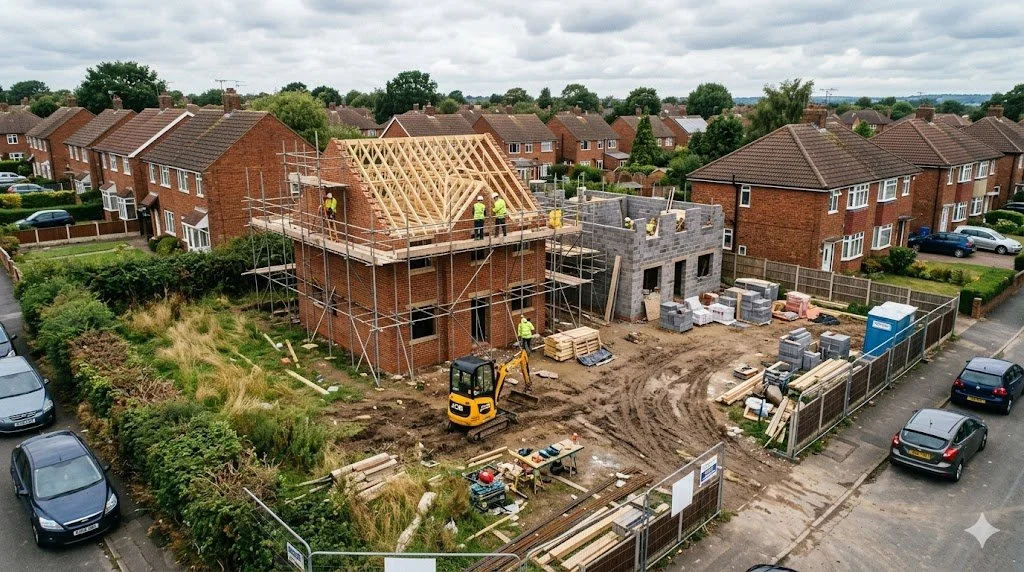
FHS dates are confirmed: 24 March 2027 (non-HRB), 24 September 2027 (HRB). Transitional protection requires building control applications, not planning permissions — per building, not per site. Here's the full implementation picture from the GTC/NFB webinar, including a transitional trap checklist.
BNG Exemption for Small Sites: What the 0.2 Hectare Threshold Means in Practice
The government has confirmed a new 0.2 hectare BNG exemption from July 2026, affecting 50% of residential planning permissions. But the three-part test — site area, priority habitat, irreplaceable habitat — means the detail matters. Here's what qualifies, what doesn't, and what to check first.
The Warm Homes Plan: What Developers Need to Know Beyond the Future Homes Standard
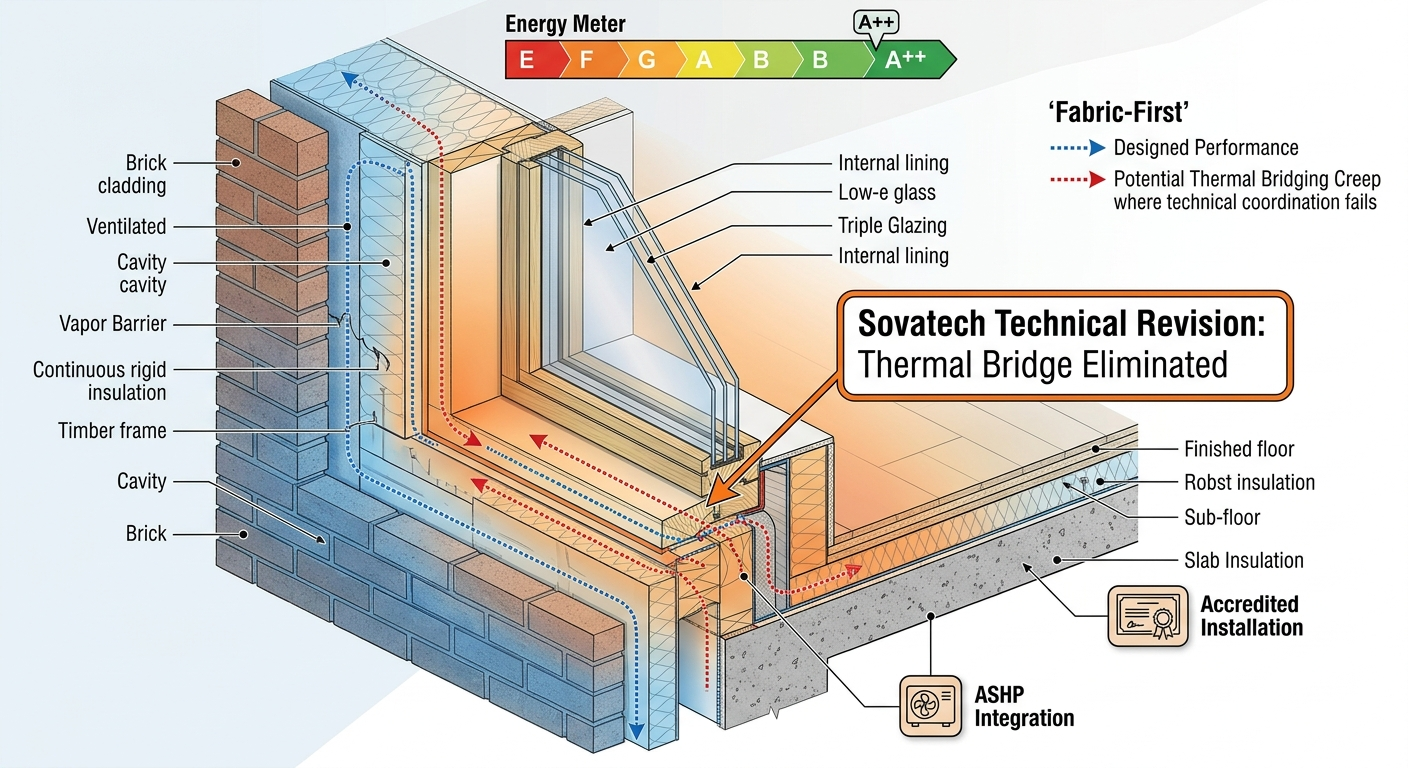
The Warm Homes Plan is the largest home upgrade investment in UK history. For developers, it confirms heat pumps and solar as standard, signals supply chain urgency, and positions energy-independent homes as premium products. Here's what it means beyond the Future Homes Standard headlines
The New Medium Site Category: What the Proposed 10–49 Homes Threshold Could Mean for SME Developers
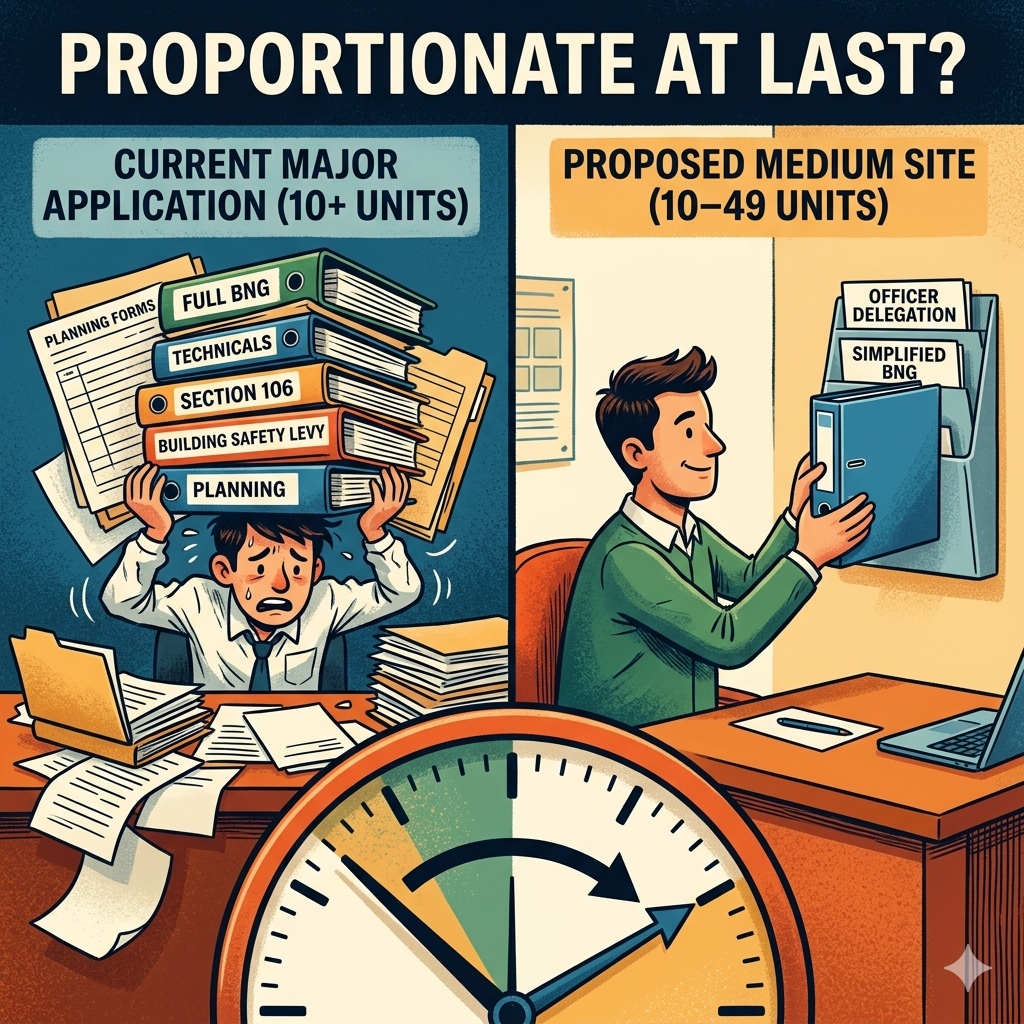
A third of SME developers have ceased operating over the last two decades. The proposed medium site category (10-49 homes) offers simplified BNG, potential levy exemptions, and faster decisions. But the 1-hectare area threshold could be the sting in the tail. Here's what you need to

Future Homes Standard 2026: Parts L, F, O, S Explained—What Developers Actually Need to Deliver
Future Homes Standard: 75% carbon cuts, heat pumps likely required, solar PV expected. Navigate Parts L, F, O, S based on latest consultation.

Building Safety Act Gateway 2 in 2026: Why 40% Fail and How to Pass First Time
Gateway 2 has become the most expensive bottleneck in HRB development programmes. With 40% rejection rates and 22-week approval times adding 12-18 months to projects, understanding why applications fail is critical. Master the compliance narrative, Golden Thread, and change control to succeed.
Navigating Flood Risk and SuDS in 2026: A Definitive Guide for Developers
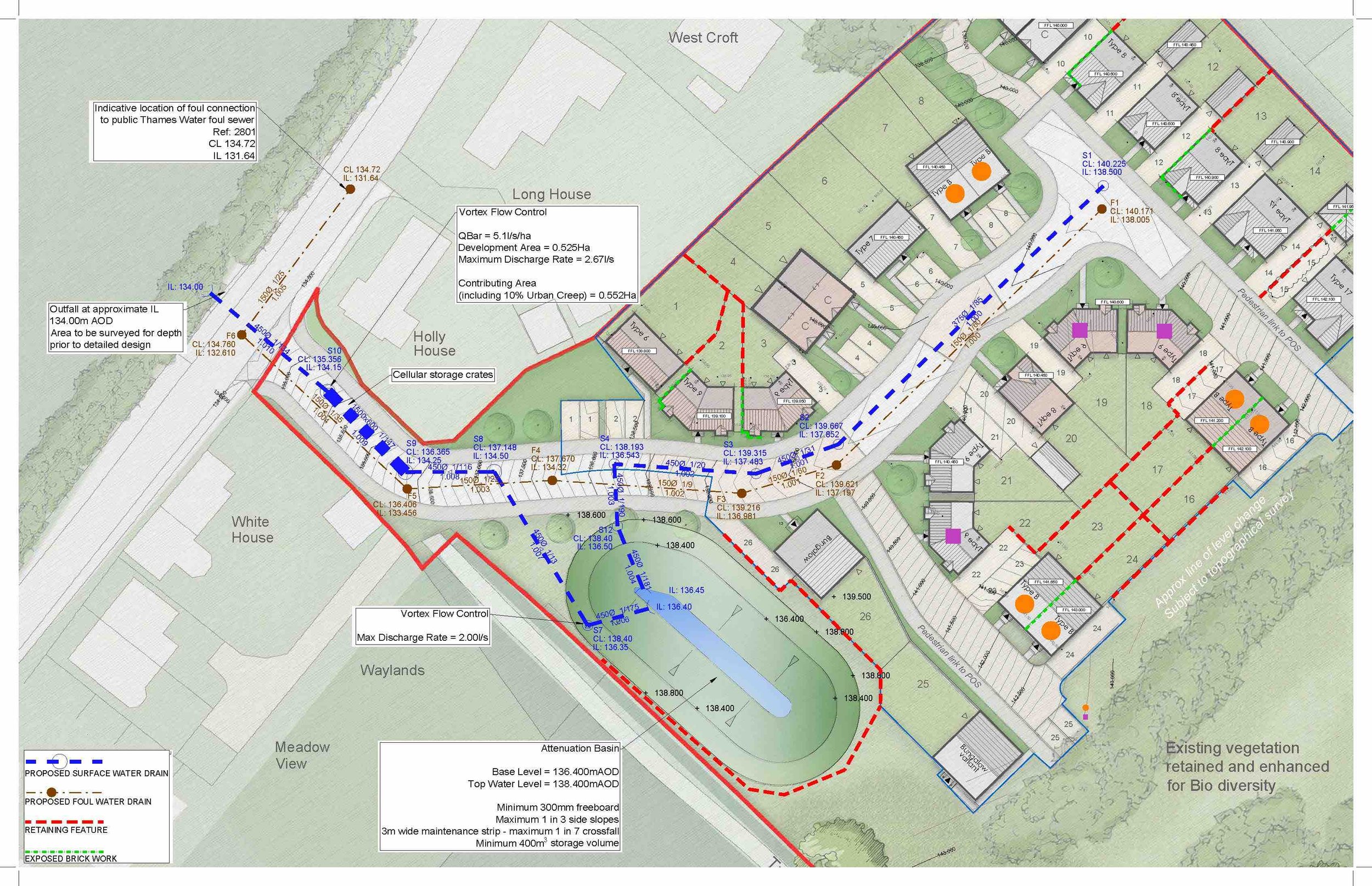
Flood risk has gone from box-ticking exercise to make-or-break planning constraint. The December 2024 NPPF and September 2025 PPG changed everything. Master the Sequential Test, understand NPPF Paragraph 169, apply 45% climate allowances, and deliver SuDS that satisfy 2026 planning requirements.

Local Plan Representations: Technical Evidence That Strengthens Land Promotion Strategies
The Local Plan process offers unparalleled opportunity to secure strategic land allocations worth millions. But success requires more than site availability—it demands comprehensive technical evidence proving deliverability. Discover the six evidence types that separate allocated sites from rejected ones.

Section Agreements Decoded: S38, S104, S278 – The Technical Documentation That Prevents Adoption Delays
Thousands of UK homeowners pay £150-400 annually for road maintenance because infrastructure remains unadopted. The cause? Deficient technical documentation. Decode Section 38, 104, and 278 agreements—learn the technical requirements that prevent adoption delays and protect residents and reputation.

New Appointment Variations (NAVs): An Alternative to Traditional Water Company Adoption
Section 104 adoption isn't your only option. New Appointment Variations (NAVs) offer developers competitive pricing, faster approvals, and personalised service for water and sewerage infrastructure. Discover how NAVs work, site eligibility requirements, and when to consider this alternative adoption route.
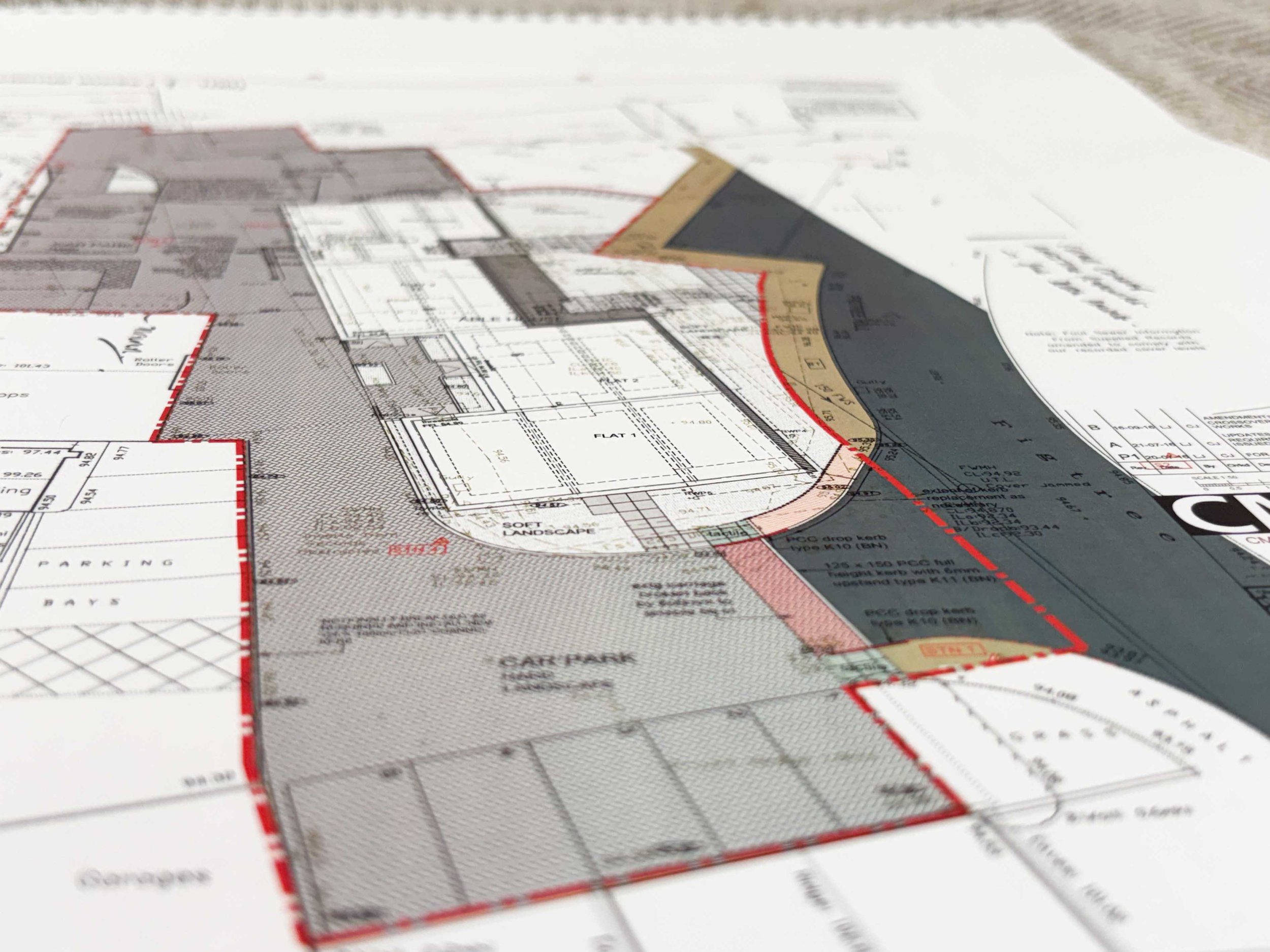
Pre-Purchase Due Diligence: Five Technical Risks That Turn Viable Sites Into Money Pits
A developer purchased a site for £850,000 assuming straightforward development. Post-acquisition surveys revealed £395,000 of unexpected abnormals. The site economics collapsed. Discover the 5 technical risks that turn viable sites into money pits—and how to identify them before you're committed.

Beyond BNG Compliance: What Your Technical Drawings Must Show for Biodiversity Net Gain Approval
98% of SME builders find implementing Biodiversity Net Gain challenging. The confusion isn't about ecology—it's about technical drawings. Discover exactly what your habitat plans must show for BNG approval, how to link drawings to metric calculations, and the common pitfalls that trigger rejection.

The Development Lifecycle: When Technical Expertise Matters Most From Land Acquisition to Adoption
93% of SME developers cite planning delays as a major barrier to growth. Behind this statistic lies a common pattern: engaging technical specialists too late. Discover when technical expertise matters most across the development lifecycle—from land acquisition through to final infrastructure adoption.

The Developer's Dilemma: When to Hire Specialist Technical Support vs. Your Architect
"Our architect said they'd handle everything." It's a phrase heard regularly after planning delays or Land Registry rejections. Discover the 5 scenarios when specialist technical support becomes essential—and when architects can manage alone. Build the right team for your development's needs.